

Thailand is a country shaped by centuries of history, Buddhist traditions, intricate customs, and spiritual practices. Among its most important cultural landmarks are Thailand temples, known locally as wats. These sacred sites are not only places of worship but also important parts of community life, history, architecture, and Thai cultural identity.
From the magnificent temples of Bangkok to the peaceful mountain sanctuaries of Chiang Mai and the ancient ruins of Ayutthaya, exploring temples in Thailand offers travelers an opportunity to experience the country beyond its beaches and famous tourist attractions.
In this guide, we explore some of the most remarkable Thai temples, the role of Buddhism in Thai culture, traditional festivals, local customs, temple etiquette, and cultural experiences that can make your trip more meaningful.
Discover the best tours in Thailand at exclusive prices with thai adventure club
Introduction to Thailand Temples
Thailand’s cultural landscape has been strongly influenced by Buddhism, and Thailand temples play an important role in everyday life. Temples are often at the heart of local communities, serving as places of worship, meditation, learning, celebrations, and social gatherings.
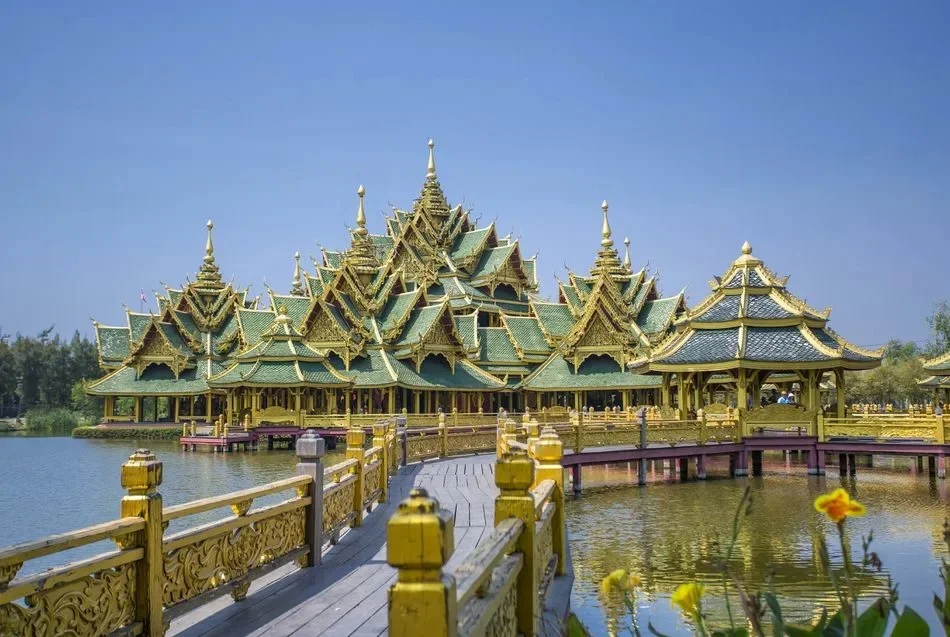
The architecture of a traditional Thai temple reflects generations of craftsmanship. Elaborate roofs, decorative details, Buddha images, murals, and carefully designed structures create an atmosphere that is both visually impressive and spiritually significant.
For travelers interested in Thai cultural experiences, visiting a temple provides an opportunity to observe traditions and gain a deeper understanding of the beliefs and values that have shaped Thailand.
Find out now: Top 10 destinations in Thailand
Best Thailand Temples to Visit
Thailand is home to thousands of temples, each with its own history, architectural character, and spiritual importance. While it is impossible to visit them all, several temples stand out as essential destinations for travelers.
1. Wat Phra Kaew – Temple of the Emerald Buddha
Located within the Grand Palace complex in Bangkok, Wat Phra Kaew is widely regarded as Thailand’s most sacred temple.
The temple is home to the revered Emerald Buddha and is surrounded by impressive structures featuring intricate Thai architectural details.
For visitors interested in the history and spirituality of temple Thailand, Wat Phra Kaew provides an excellent introduction to the importance of Buddhism and royal traditions in the country.
Because it is an active sacred site, visitors should follow temple etiquette and dress appropriately.
2. Wat Pho – Temple of the Reclining Buddha
Another important Thai temple in Bangkok is Wat Pho, famous for its enormous reclining Buddha statue.
Wat Pho is also one of Thailand’s oldest and most historically significant temples. Beyond its religious importance, it is closely associated with traditional Thai massage and has played an important role in preserving Thai knowledge and education.
The temple’s architecture, statues, murals, and peaceful courtyards make it a fascinating stop for anyone exploring Bangkok’s cultural heritage.
3. Wat Arun – Temple of Dawn
Located beside the Chao Phraya River, Wat Arun is one of the most recognizable temples in Thailand.
Its distinctive spires and detailed decoration make it one of Bangkok’s most photographed landmarks. The temple is particularly beautiful around sunrise and sunset, when the changing light creates a striking atmosphere around its architecture.
A visit to Wat Arun can easily be combined with other cultural attractions along the Chao Phraya River.
4. Wat Rong Khun – The White Temple
Located in Chiang Rai, Wat Rong Khun, commonly known as the White Temple, offers a very different interpretation of Thai temple architecture.
Its brilliant white exterior and intricate symbolic details combine Buddhist ideas with contemporary artistic elements. Unlike many traditional temples in Thailand, its design has a distinctly modern character.
For travelers looking for a unique Thailand temple, Wat Rong Khun is one of the country’s most memorable cultural landmarks.
5. Wat Phra That Doi Suthep
Perched on a mountain overlooking Chiang Mai, Wat Phra That Doi Suthep is one of Northern Thailand’s most important temples.
The temple is an important pilgrimage destination and is also known for its beautiful architecture and panoramic views over Chiang Mai.
The combination of spiritual significance, mountain scenery, and traditional Thai design makes Doi Suthep an essential stop for travelers exploring Thai temples in the north.
Exploring Thailand hidden gems in 2024
Why Thailand Temples Are Important to Thai Culture
To understand cultural Thailand, it is important to understand the role of temples.
Buddhism has influenced many aspects of Thai society, including art, education, family life, ethics, ceremonies, and community traditions.
A temple is often much more than a place where people go to pray. Communities may gather there for festivals, important life events, meditation, education, and charitable activities.
Monks are also highly respected within Thai society. Some Thai men spend a period of their lives as monks as part of a tradition of ordination and making merit for themselves and their families.
For visitors, exploring a sacred temple provides a chance to observe these traditions respectfully and learn about the values of mindfulness, compassion, generosity, and respect.
Thai Festivals Connected to Temples
Thailand’s festivals offer another way to experience the country’s spiritual and cultural traditions. Many celebrations have connections to Buddhism and take place around temples and local communities.
Songkran – Thai New Year
Songkran takes place in April and is widely known for its water celebrations. However, the festival also has important traditional and spiritual elements.
Many people visit temples, make merit, offer food to monks, and pay their respects to elders and family members.
Experiencing Songkran therefore provides more than the famous water celebrations—it offers insight into important traditions of Thailand.
Loy Krathong
Loy Krathong is celebrated in November and involves floating decorated baskets, known as krathongs, on rivers and lakes.
Major celebrations take place in destinations such as Chiang Mai and Sukhothai, often creating beautiful scenes around temples and historic areas.
The festival combines cultural traditions, spiritual symbolism, and community celebrations.
Yi Peng Lantern Festival
Chiang Mai is particularly famous for Yi Peng, a lantern festival associated with the region’s cultural traditions.
The sight of illuminated lanterns filling the night sky creates one of Thailand’s most memorable festival experiences. Temples and local communities participate in celebrations, making the event an excellent opportunity to experience Northern Thai culture.
Visakha Bucha Day
Visakha Bucha is an important Buddhist holiday commemorating key events in the life of Buddha.
Temples across Thailand hold religious ceremonies, chanting, and candlelit processions. Visitors who encounter these celebrations should observe respectfully and follow the instructions of temple staff and local worshippers.
Thai Traditions You Can Experience
Visiting temples is only one part of discovering traditions in Thailand. Several customs and practices can help travelers better understand local culture.
Making Merit
Making merit is an important practice in Thai Buddhist culture. It can involve acts of generosity, donations, or offering food to monks.
Visitors may encounter morning alms-giving activities or other forms of merit-making around temples. If you wish to participate, it is important to observe how locals behave and follow appropriate guidance.
The Thai Wai
The wai is a traditional Thai greeting in which the hands are placed together in front of the body.
Learning about the wai and understanding when it is appropriate can help visitors interact respectfully with Thai people.
Meditation
Some temples offer meditation sessions or opportunities to learn about Buddhist teachings.
For travelers interested in spirituality and mindfulness, a meditation experience can provide a deeper connection to the cultural significance of Thai temples.
Temple Etiquette: How to Visit Thai Temples Respectfully
Because many Thailand temples are active religious sites, visitors should always behave respectfully.
Dress Modestly
Wear clothing that covers the shoulders and knees when visiting temples. Some sites may provide scarves or coverings, but it is better to arrive appropriately dressed.
Remove Your Shoes
Visitors are commonly expected to remove their shoes before entering certain temple buildings or worship areas.
Look for signs or observe local practices if you are unsure.
Keep Your Voice Down
Temples are places of worship and contemplation. Speak quietly and avoid behavior that could disturb people who are praying or meditating.
Do Not Point Your Feet Toward Buddha Images
In Thai culture, feet are considered the lowest part of the body. Avoid pointing your feet directly toward Buddha statues, monks, or other people.
Ask Before Taking Photographs
Photography is permitted in many temples, but some areas may have restrictions.
Always check signs and ask for permission when necessary, particularly during religious ceremonies or in areas where worshippers are present.
Following these simple rules allows visitors to enjoy Thai temples while showing respect for the people and traditions connected to them.
Best Cultural Tours for Exploring Thailand Temples
A guided cultural tour can make a visit to Thailand’s temples more informative and meaningful.
Bangkok Temple Tours
A Bangkok temple tour can combine visits to Wat Phra Kaew, Wat Pho, and Wat Arun, providing an overview of the capital’s most famous religious landmarks.
A knowledgeable guide can also explain the history, symbolism, architecture, and cultural significance behind each site.
Chiang Mai Temple and Craft Tours
In Chiang Mai, temple visits can be combined with experiences focused on local crafts and traditional culture.
A trip to Wat Phra That Doi Suthep, for example, can be part of a broader exploration of Northern Thailand’s artistic and cultural traditions.
Ayutthaya Historical Tours
The ancient city of Ayutthaya offers a completely different perspective on Thailand’s history.
Its historic temples, statues, and ruins provide a glimpse into the former Kingdom of Ayutthaya and its architectural heritage. Exploring the area with a guide can help bring the historical remains to life.
Floating Market and Temple Tours
Combining a traditional floating market with a nearby temple creates a diverse cultural experience.
Travelers can discover traditional commerce, local food, community life, and spiritual landmarks within the same excursion.
Thailand Temples Beyond Sightseeing
A visit to a temple in Thailand can be much more than taking photographs and checking another attraction off your itinerary.
These places offer an opportunity to observe how religion, history, architecture, and community life come together.
You may see people making offerings, monks carrying out daily activities, families visiting for religious occasions, or locals participating in festivals. These everyday moments can provide a more authentic understanding of Thailand than simply visiting famous tourist landmarks.
For this reason, temple visits are among the most rewarding cultural experiences for travelers who want to understand the country beyond its popular beaches and resorts.
Tips for Planning a Thailand Temple Tour
To make your cultural experience more enjoyable, keep a few practical considerations in mind.
Start early: Many temples are easier to explore in the morning, when temperatures are more comfortable and some popular sites may be less crowded.
Dress appropriately: Keep modest clothing available, particularly if you plan to visit several temples in one day.
Allow enough time: Don’t rush through temples simply to take photographs. Take time to appreciate the architecture and atmosphere.
Learn basic etiquette: Understanding simple customs can help you feel more comfortable and show respect.
Combine cultural attractions: Consider pairing temple visits with markets, historical sites, local food experiences, or traditional crafts.
Why Explore Thailand Temples?
The temples of Thailand reveal an important part of the country’s identity.
From Bangkok’s magnificent royal temples to Chiang Mai’s mountain sanctuaries and Ayutthaya’s ancient ruins, these sites demonstrate how religion, architecture, history, and community traditions have developed together over centuries.
Exploring Thailand temples also gives travelers an opportunity to experience the country’s culture at a deeper level. Festivals, meditation, merit-making, traditional greetings, and temple etiquette all provide glimpses into the values that continue to shape Thai society.
Whether you visit a famous temple in Bangkok or discover a quieter sanctuary away from the main tourist routes, approaching these places with curiosity and respect can turn a simple sightseeing stop into a meaningful cultural experience.
Frequently Asked Questions About Thailand Temples
What are the most famous temples in Thailand?
Some of the most famous temples in Thailand include Wat Phra Kaew, Wat Pho, Wat Arun, Wat Rong Khun, and Wat Phra That Doi Suthep.
What is a Thai temple called?
A traditional Thai temple is commonly called a wat. Thai temples are important places of worship and often serve broader community, educational, and cultural functions.
What should I wear when visiting a temple in Thailand?
Visitors should generally dress modestly, covering their shoulders and knees. It is also important to remove shoes when required and follow the rules displayed at each temple.
Can tourists visit Thailand temples?
Yes. Many Thai temples welcome visitors, but tourists should remember that these are active religious and cultural sites. Respectful behavior and appropriate clothing are essential.
Why are temples important in Thailand?
Temples play an important role in Thai Buddhist culture and community life. They are associated with worship, meditation, festivals, education, ceremonies, and community activities.
What are some important traditions in Thailand?
Important traditions include making merit, the wai greeting, Buddhist ceremonies, temple visits, meditation, and festivals such as Songkran and Loy Krathong.
Final Thoughts
Exploring Thailand temples and traditions offers travelers a richer understanding of the country beyond its famous beaches and natural attractions.
From the sacred Wat Phra Kaew in Bangkok and the iconic Wat Arun to the peaceful Wat Phra That Doi Suthep in Chiang Mai and the artistic White Temple in Chiang Rai, each Thai temple tells a different story.
Combine these spiritual landmarks with traditional festivals, local customs, historical sites, and cultural tours to experience the many layers of Thai heritage.
A journey through Thailand’s temples is ultimately more than sightseeing. It is an opportunity to discover the history, traditions, spirituality, and community values that continue to shape the Land of Smiles.
Follow us on:
- Facebook: Thai Adventure Club
- Instagram: thaiadventureclub

Comment (0)