
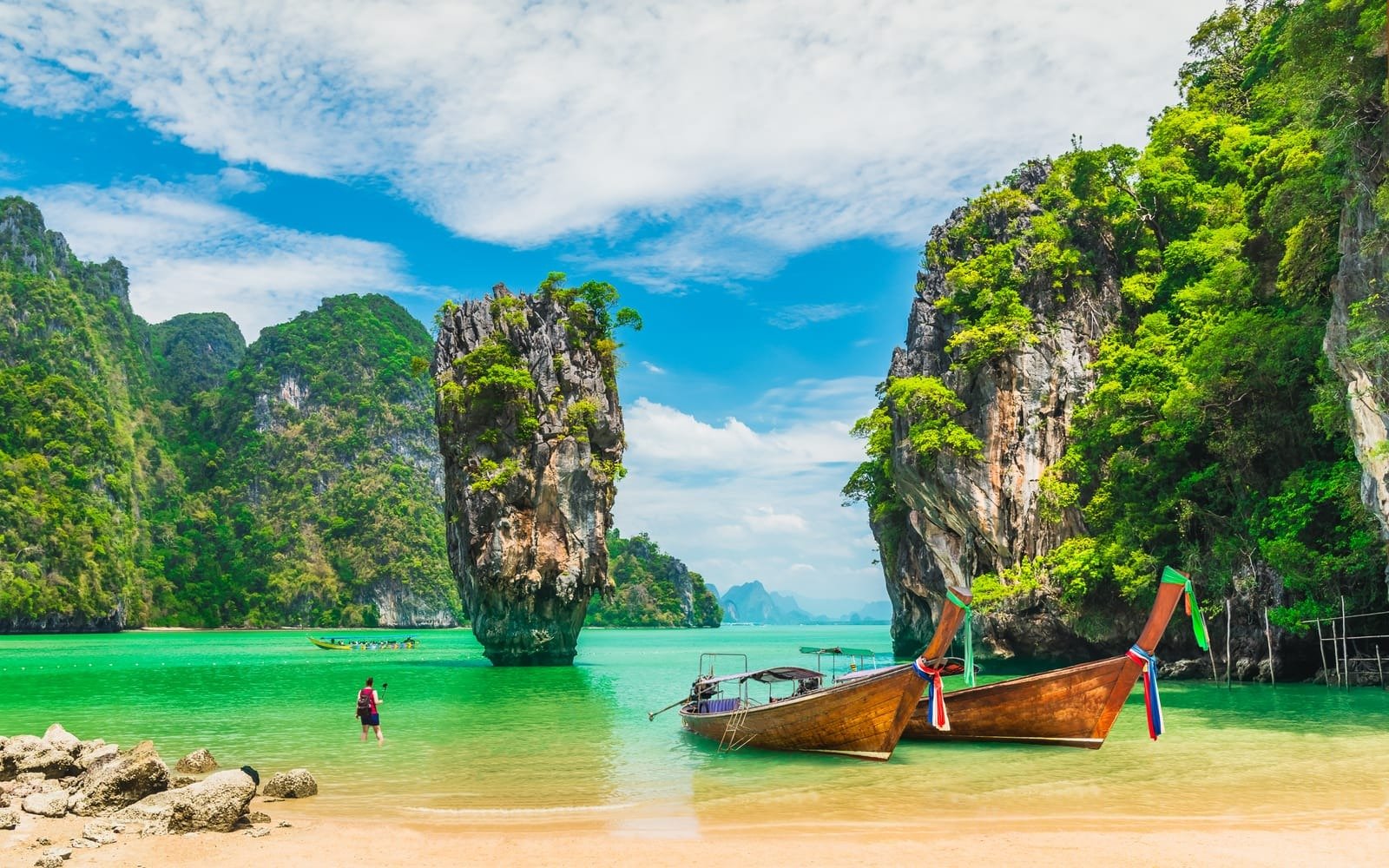
Thailand’s rainforests, coral reefs, and mountain communities have made eco tourism in Thailand one of the fastest-growing corners of the country’s travel industry — multiple industry reports point to double-digit annual growth in sustainable travel demand here. This guide covers 11 of the best eco tourism experiences across the country, organized by what you’ll actually do, not just where you’ll stay.
Discover the best tours in Thailand at exclusive prices with Thai Adventure Club
What Makes Eco tourism in Thailand Different?
Ecotourism in Thailand goes beyond “green” branding — it means responsible travel practices that preserve natural environments, support local communities, and promote genuine cultural exchange. From floating eco-lodges in ancient rainforest to community-run homestays with hill-tribe villages, Thailand’s eco travel scene gives visitors a way to explore responsibly rather than just sustainably-in-name.
11 Best Ecotourism Experiences in Thailand
1. Stay at a Floating Eco-Lodge in Khao Sok National Park
One of the oldest rainforests on Earth, Khao Sok National Park offers floating bungalows on Cheow Lan Lake alongside guided nature walks and canoeing — a genuine sustainable island tourism-style experience without leaving the mainland.
2. Visit an Ethical Elephant Sanctuary in Chiang Mai
Rather than elephant rides or shows, ethical sanctuaries like Elephant Nature Park let elephants roam freely while visitors observe, feed, and learn about rescue and rehabilitation — one of the most requested eco tours in Thailand for wildlife lovers.
3. Join Coral Reef Conservation Diving on Koh Tao
Koh Tao’s dive centers run structured reef conservation programs alongside standard diving courses, combining certification with hands-on conservation work — a strong pick for eco travel Thailand focused on marine ecosystems.
4. Explore the Surin Islands with Moken Communities
This quieter island archipelago supports the sea-faring Moken people, offering visitors pristine coral reefs and a chance to engage respectfully with one of Southeast Asia’s last nomadic sea communities.
5. Kayak Phang Nga Bay’s Mangrove Forests (Phuket)
For eco tourism Phuket attractions, sea-kayaking through Phang Nga Bay’s limestone caves and mangrove tunnels is one of the most accessible ways to experience the region’s ecosystem without a motorized tour boat.
6. Visit the Gibbon Rehabilitation Project (Phuket)
Based in Khao Phra Thaeo Non-Hunting Area, this project rescues gibbons from the illegal pet trade and prepares them for release back into protected forest — a genuinely hands-on conservation stop for anyone doing eco tourism in Phuket.
7. Trek Chiang Rai’s Mountains and Stay in a Bamboo Eco-Lodge
Bamboo Nest and similar rustic lodges in Chiang Rai’s hills run on minimal energy and support surrounding hill-tribe communities, pairing trekking with a genuinely low-impact stay.
8. Stay at a Community-Owned Homestay
Rural communities across northern and southern Thailand run homestays that put tourism income directly into local hands rather than large hotel chains — one of the clearest ways to practice sustainable travel Thailand-style tourism.
9. Join a Beach Clean-Up on a Southern Island
Many islands, including Koh Phangan and Koh Lanta, organize regular beach clean-ups open to visitors — a low-effort, high-impact way to give back during a beach-focused trip.
10. Learn Traditional Crafts from Local Artisans
Pottery, weaving, and basket-making workshops run by local artisans support traditional skills directly, turning a souvenir into a genuine cultural exchange rather than a mass-produced purchase.
11. Volunteer in a Reforestation or Wildlife Project
Several organizations across Thailand run short-term volunteer programs in national parks and animal shelters — ideal for travelers who want ecotourism in Thailand to include direct, hands-on participation rather than passive sightseeing.
Eco-Friendly Accommodation Worth Booking
- TreeHouse Villas, Koh Yao Noi: Solar-powered villas built with sustainable materials on a quiet island.
- Anurak Community Lodge, Khao Sok: Low-impact lodging inside the national park with conservation education built into the stay.
- Bamboo Nest, Chiang Rai: Rustic bamboo huts in the mountains, minimal energy use, strong community ties.
- Eco-resorts on Koh Phangan: A growing cluster of properties focused on organic food, recycling, and water conservation.
Wildlife-Friendly Practices for Responsible Travelers
- Skip elephant rides and animal shows — choose sanctuaries that prioritize animal welfare over performance.
- Never touch coral or marine life while snorkeling or diving.
- Observe wildlife from a distance on nature tours and in national parks.
- Don’t feed wild animals — it disrupts natural behavior and can harm their health long-term.
Practical Tips for Reducing Your Impact
- Bring a reusable water bottle — most hotels and eco-cafés have refill stations.
- Avoid single-use plastics — carry reusable bags and containers.
- Use public transport where possible — Thailand’s train and bus network covers most eco-tourism regions well.
- Turn off AC and lights when not in the room.
- Be mindful of water use, especially in rural areas with limited supply.
If you want to pair an eco-focused trip with more of Thailand’s protected landscapes, our guide to Thailand’s national parks covers ten more destinations worth adding to the list, and our best hiking trails guide breaks down specific routes by region.
Frequently Asked Questions
What is the best ecotourism destination in Thailand? Khao Sok National Park is consistently ranked among the best, combining rainforest biodiversity, floating eco-lodges, and low-impact activities like canoeing and guided nature walks.
Is ecotourism in Thailand expensive? It varies widely — community homestays and budget eco-lodges can cost the same as standard budget accommodation, while premium eco-resorts like TreeHouse Villas sit at a luxury price point.
What eco-tourism activities are available in Phuket specifically? Phang Nga Bay mangrove kayaking and the Gibbon Rehabilitation Project in Khao Phra Thaeo Non-Hunting Area are two of the most accessible ecotourism activities based directly in Phuket.
How can I make sure a tour operator is genuinely eco-friendly? Look for operators that limit group sizes, employ local guides, partner with conservation organizations, and can explain specifically how tourism revenue supports the local community or environment — vague “eco” branding without specifics is a red flag.
Is elephant riding part of ecotourism in Thailand? No — ethical ecotourism avoids elephant riding and performances entirely, favoring sanctuaries where elephants roam freely and are observed rather than ridden.
Conclusion
Ecotourism in Thailand isn’t a single destination or activity — it’s a way of choosing how you travel, from floating lodges in ancient rainforest to community homestays and hands-on conservation work. Picking even two or three of these 11 experiences turns a standard Thailand trip into one that actually gives something back.
Ready to plan a responsible trip? Explore our wildlife and nature tours with Thai Adventure Club.
Follow us on:
- Facebook: Thai Adventure Club
- Instagram: thaiadventureclub

Comment (0)