
Getting around Bangkok can feel overwhelming at first, yet the city offers one of Southeast Asia’s most diverse transport systems. This Bangkok transportation guide explains how to move efficiently using trains, boats, and tuk tuks while avoiding Bangkok traffic. Whether you are a first-time visitor or a repeat traveler, understanding Bangkok public transport will save time, money, and stress. This article focuses on practical advice, safety, and cost so getting around Bangkok becomes simple and enjoyable.
Discover the best tours in Thailand at exclusive prices with thai adventure club
Understanding the Bangkok Transport System
Bangkok’s transport network combines modern rail systems with traditional water and road transport. As a Bangkok travel guide, it helps to see how these options complement each other. Trains bypass traffic, boats follow historic waterways, and tuk tuks cover short distances. Mastering this Bangkok transport system allows travelers to choose the fastest way to get around Bangkok depending on distance, budget, and time of day. Overall, getting around Bangkok is about mixing options wisely.
BTS Skytrain: Fast and Reliable
The BTS Skytrain is often the first choice for visitors learning how to travel in Bangkok. Elevated above the roads, it avoids congestion and connects major shopping, business, and tourist areas. For Bangkok commuting for tourists, BTS stations are well-marked in English and easy to navigate. As part of Bangkok city transport, the Skytrain is clean, air-conditioned, and reliable, making getting around Bangkok far less intimidating for newcomers.
BTS Skytrain Details Explained
Before diving into details, it helps to understand why the BTS is central to Bangkok public transport. The points below explain its main advantages.
- BTS Skytrain Bangkok covers Sukhumvit and Silom lines, linking malls, hotels, and attractions.
- Trains run frequently, making it the fastest way to get around Bangkok during rush hours.
- Ticketing is simple, with single-journey tickets and stored-value cards.
In conclusion, the BTS is a backbone of getting around Bangkok, especially for short to medium distances.
MRT Subway: Expanding City Access
The MRT Bangkok subway complements the BTS by reaching areas not covered by elevated lines. It is especially useful for cultural sites and local neighborhoods. For travelers seeking cheap transportation in Bangkok, the MRT offers affordable fares and easy transfers. Clear signage and station maps support Bangkok transport tips for tourists. Combined with BTS, the MRT simplifies getting around Bangkok without relying on road transport.
MRT and Airport Connections Explained
Understanding MRT connections improves travel planning. The following points highlight key features.
- MRT Bangkok subway connects seamlessly with BTS stations at major hubs.
- The system links to Airport Rail Link Bangkok, easing airport transfers.
- Fares are distance-based, fitting most Bangkok transport fares budgets.
Overall, the MRT enhances getting around Bangkok by expanding rail coverage across the city.
Airport Rail Link: Smooth Airport Transfers
Reaching the city from the airport is a common concern. The Airport Rail Link provides a fast and predictable option, bypassing traffic jams. For visitors focused on tourist transportation options Bangkok, this line connects Suvarnabhumi Airport with central rail networks. It is efficient, affordable, and ideal for first-time travelers. Using this service makes getting around Bangkok easier from the moment you land.
Chao Phraya River Boats: Scenic Transport
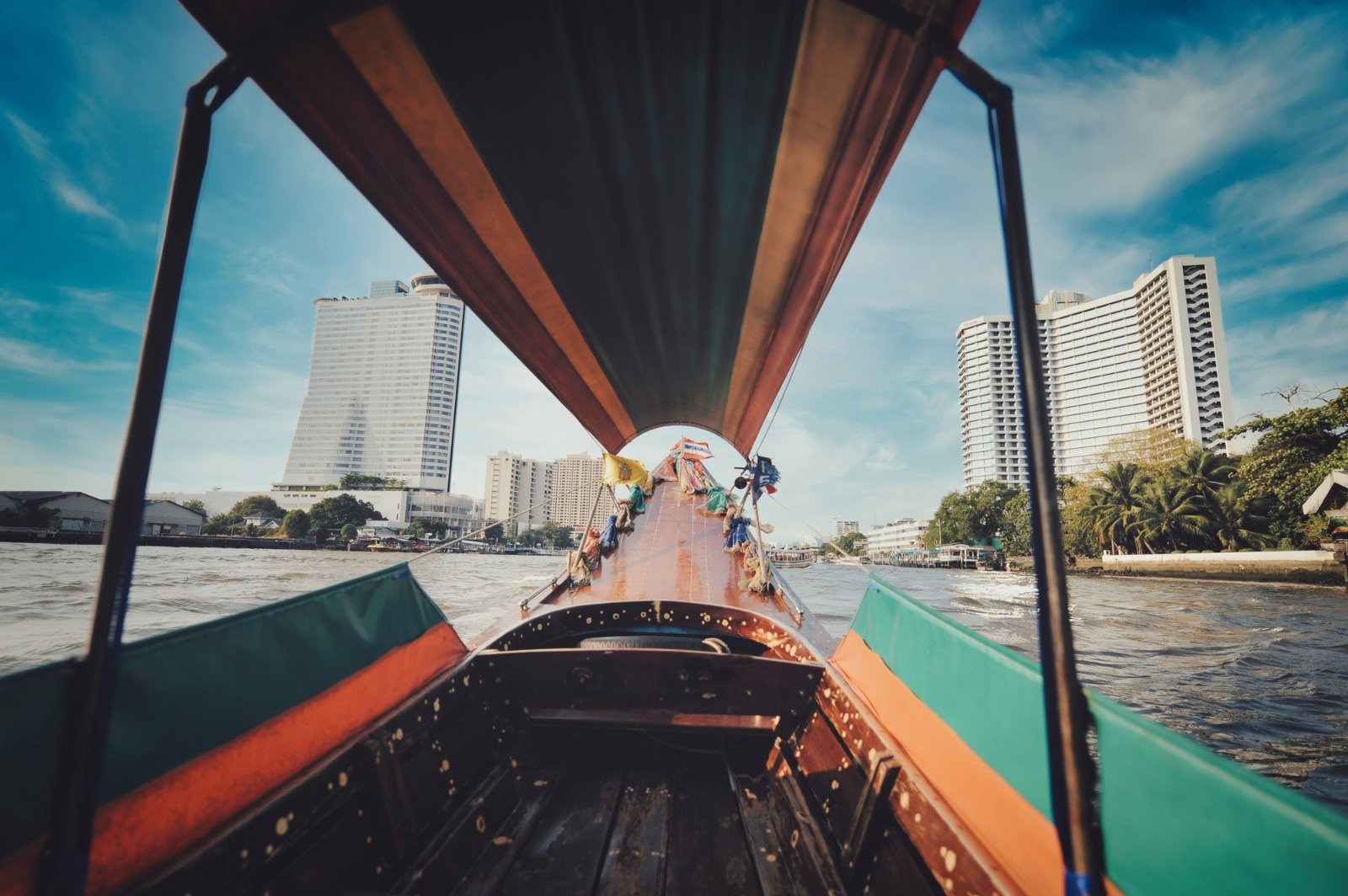
Waterways remain vital to Bangkok life. Chao Phraya River boats offer a scenic and practical way to move between historic areas and landmarks. They are popular for boat transport in Bangkok, combining sightseeing with commuting. For travelers seeking cheap transportation in Bangkok, river boats are budget-friendly and memorable. They add a cultural dimension to getting around Bangkok that trains cannot replicate.
River Boat Travel Explained
Before boarding, it helps to know how river transport works. The points below clarify essentials.
- Chao Phraya River boats serve temples, markets, and tourist piers.
- Different flags indicate express or local services.
- Tickets are inexpensive, supporting Bangkok transport tips for budget travelers.
In conclusion, river boats are both practical and enriching for getting around Bangkok.
Canal Boats (Khlongs): Local Shortcuts
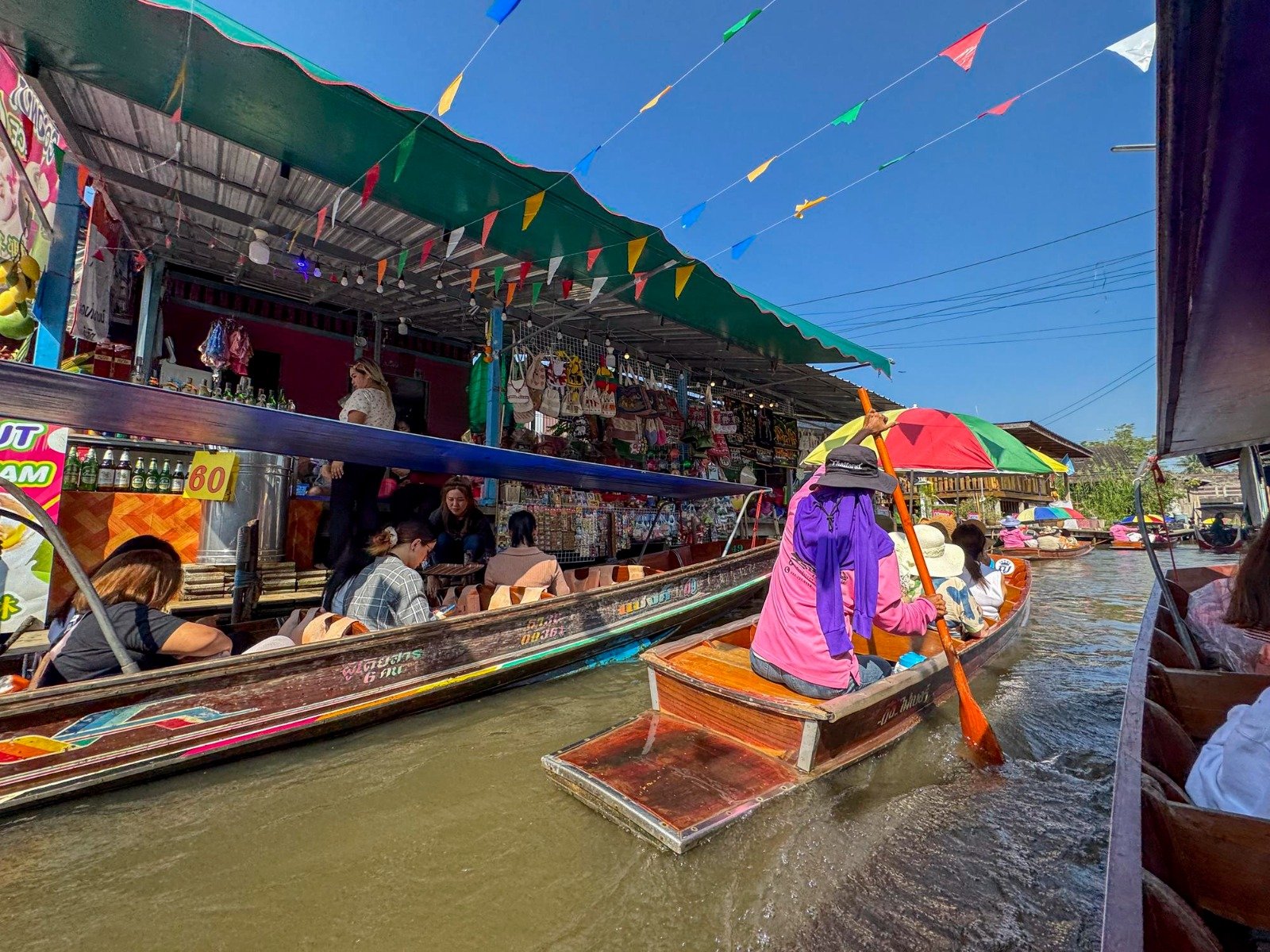
Beyond the main river, Bangkok canal boats (khlongs) cut through neighborhoods often inaccessible by road. They are fast during peak traffic and used daily by locals. While less touristy, they showcase authentic city life. For adventurous visitors interested in using trains in Bangkok alongside boats, khlongs offer a unique alternative. They further diversify options for getting around Bangkok.
Tuk Tuks: Iconic and Convenient
No Bangkok travel guide is complete without tuk tuks. These three-wheeled vehicles are ideal for short distances and quick trips. The tuk tuk in Bangkok experience is lively and memorable, especially at night. However, prices vary, so negotiation is common. Used wisely, tuk tuks add fun and flexibility to getting around Bangkok, especially where trains and boats do not reach.
Tuk Tuk Rides Explained
Understanding tuk tuk usage prevents common issues. The points below help set expectations.
- Tuk tuk rides experience is best for short hops, not long journeys.
- Agree on fares before departure to avoid confusion.
- Tuk tuks complement trains for last-mile Bangkok city transport.
In summary, tuk tuks are best used selectively while getting around Bangkok.
Taxis and Ride-Hailing Apps
Metered taxis and ride-hailing apps like Grab are widespread. Bangkok taxis and Grab provide door-to-door convenience, especially in areas without rail access. However, traffic can slow journeys significantly. These options work best outside rush hours or late at night. When combined thoughtfully with trains, they support efficient getting around Bangkok.
Cost and Ticketing Considerations
Transport costs in Bangkok remain affordable compared to many global cities. Understanding Bangkok transport fares helps travelers plan budgets accurately. Day passes and stored-value cards often provide better value. Choosing the best transport pass Bangkok depends on trip length and frequency. Smart fare choices make getting around Bangkok economical and stress-free.
Safety and Travel Tips
Safety is a common concern for visitors. Bangkok’s transport systems are generally safe, but awareness matters. Follow basic Bangkok travel safety tips, such as watching belongings and avoiding unofficial services. Stations and boats are well-staffed, and signage supports non-Thai speakers. Staying informed ensures getting around Bangkok remains a positive experience.
Combining Transport Options
Successful travel involves mixing systems efficiently. Trains cover long distances quickly, boats bypass congestion, and tuk tuks fill gaps. This flexible approach defines smart Bangkok commuting for tourists. By combining options, travelers minimize delays and costs. Ultimately, mastering combinations is the secret to getting around Bangkok with confidence.
Environmental and Cultural Benefits
Public transport reduces congestion and pollution. Using trains and boats supports sustainable tourism and local communities. Experiencing canals and river routes deepens cultural understanding. For responsible travelers, choosing public systems enhances Bangkok public transport usage. These choices enrich journeys while getting around Bangkok responsibly.
Frequently Asked Questions (FAQ)
What is the fastest way to get around Bangkok?
The BTS Skytrain and MRT subway are the fastest way to get around Bangkok, especially during rush hours.
Is public transport in Bangkok tourist-friendly?
Yes. Clear signage, English announcements, and maps make Bangkok public transport easy for visitors.
Are tuk tuks expensive?
Prices vary. The tuk tuk in Bangkok can be affordable for short trips if fares are agreed upon in advance.
Are boats safe for tourists?
Yes. Boat transport in Bangkok is widely used and safe when official services are chosen.
What is the cheapest transportation in Bangkok?
Buses and canal boats are among the cheap transportation in Bangkok, though trains offer better speed.
Conclusion
In summary, getting around Bangkok becomes simple with the right knowledge. Trains, boats, and tuk tuks each serve distinct purposes within the Bangkok transport system. By combining them strategically, travelers enjoy efficiency, affordability, and cultural immersion. With this guide, getting around Bangkok transforms from a challenge into an essential part of the travel experience.
Follow us on:
- Facebook: Thai Adventure Club
- Instagram: thaiadventureclub

Comment (0)